
Blog
Savasana

Introduction
Savasana, also known as the corpse pose, is a fundamental part of yoga practice. It is often seen as a resting pose that allows the body and mind to relax completely after an intense yoga session. This pose is not just about lying down; it involves a conscious effort to achieve a state of deep rest and relaxation.
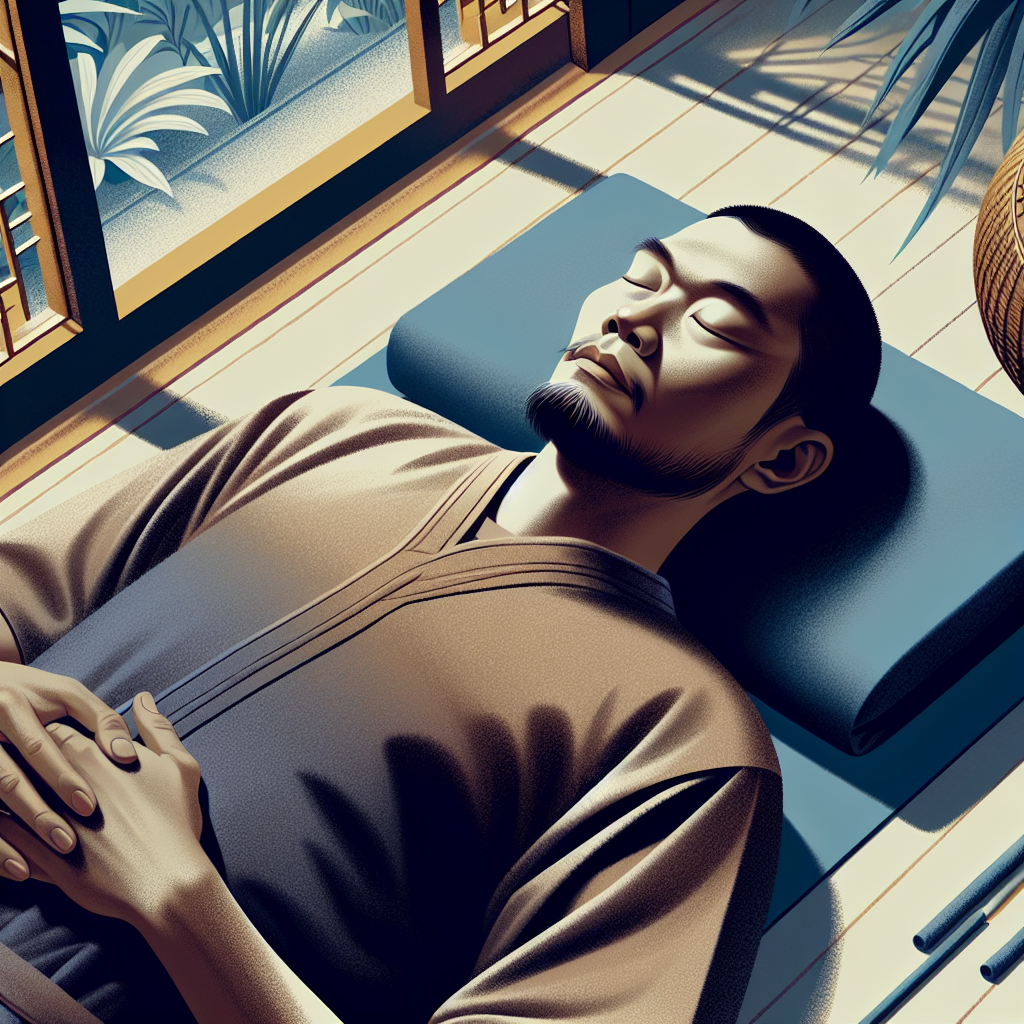
In Savasana, practitioners lie flat on their back with legs slightly apart and arms at the sides, palms facing upwards. The focus is on deep breathing and letting go of any tension in the body. This practice of deliberate relaxation helps in calming the mind and rejuvenating the body.
The importance of Savasana cannot be overstated. It is a time to integrate the benefits of the yoga practice, allowing the nervous system to shift from a state of fight or flight to a state of rest and digest. This transition is crucial for overall well-being.
The Benefits of Savasana
Physical Benefits
One of the most apparent benefits of Savasana is the physical relaxation it provides. By lying down and relaxing the muscles, it helps in reducing muscle tension and fatigue. This is particularly beneficial after a vigorous yoga session.
Savasana also aids in lowering blood pressure and heart rate, promoting a sense of calm and peace. It encourages better blood circulation, which is vital for the body’s healing process.
Mental Benefits
Mentally, Savasana is a powerful tool for stress reduction. The practice of focusing on deep breathing and letting go of thoughts can lead to a significant decrease in stress levels. It helps in clearing the mind, improving concentration and mental clarity.
Regular practice of Savasana can lead to improved sleep patterns. By practicing deep relaxation and deep breathing, the mind learns to let go of stress and anxiety, which are common culprits of sleep disorders.
Emotional Benefits
Emotionally, Savasana provides a safe space to process feelings and emotions. It allows individuals to become more aware of their emotional state, promoting emotional balance and stability.
How to Practice Savasana
Setting Up
To practice Savasana, find a quiet and comfortable space where you can lie down without distractions. Use a yoga mat or a soft surface to support your body.
Lie down on your back with your legs slightly apart and arms at your sides, palms facing upwards. Close your eyes and take a few deep breaths to center yourself.
Practicing Deep Relaxation
Begin by focusing on your breath. Inhale deeply through your nose, allowing your abdomen to rise, and exhale slowly through your mouth. With each breath, consciously relax each part of your body, starting from your toes and moving up to your head.
Allow your mind to settle into the rhythm of your breath, letting go of any thoughts or distractions. If your mind starts to wander, gently bring your focus back to your breath.
Conclusion
Savasana is more than just a resting pose; it is a gateway to deep relaxation and self-awareness. By incorporating Savasana into your daily routine, you can experience improved physical health, mental clarity, and emotional balance.
Remember, the key to Savasana is to let go and allow yourself to simply be in the moment. Embrace the stillness and the peace it brings, and enjoy the profound benefits it offers.