
Blog
Savasana

Introduction
In today’s fast-paced world, finding moments of stillness and tranquility can seem like a luxury. However, incorporating practices that promote relaxation and deep rest is essential for maintaining a balanced and healthy lifestyle. One such practice, often overlooked but profoundly impactful, is Savasana, also known as the Corpse Pose. This simple yet powerful pose, typically performed at the end of a yoga session, is designed to instill a sense of calm and rejuvenation. In this educational article, we will explore the benefits of Savasana, how to practice it effectively, and why it is a vital component of any wellness routine.
Savasana may appear effortless, but it is a skillful art of conscious relaxation. This pose involves lying down on a mat, letting go of tension, and allowing the body and mind to enter a state of deep rest. The practice of Savasana is not just about physical relaxation; it is an opportunity to cultivate mental clarity and emotional balance. By focusing on deep breathing and mindfulness, individuals can experience a profound sense of relaxation that extends beyond the mat.
Despite its simplicity, many people find it challenging to fully embrace the stillness of Savasana. In a culture that often glorifies busyness and productivity, taking time to lie down and do nothing can feel counterintuitive. Yet, it is precisely this surrender to stillness that allows the body to release stress and tension, promoting overall well-being. As we delve into the practice of Savasana, we will discover how this pose can enhance sleep quality, reduce anxiety, and foster a greater sense of peace in daily life.
The Importance of Savasana
Understanding Savasana
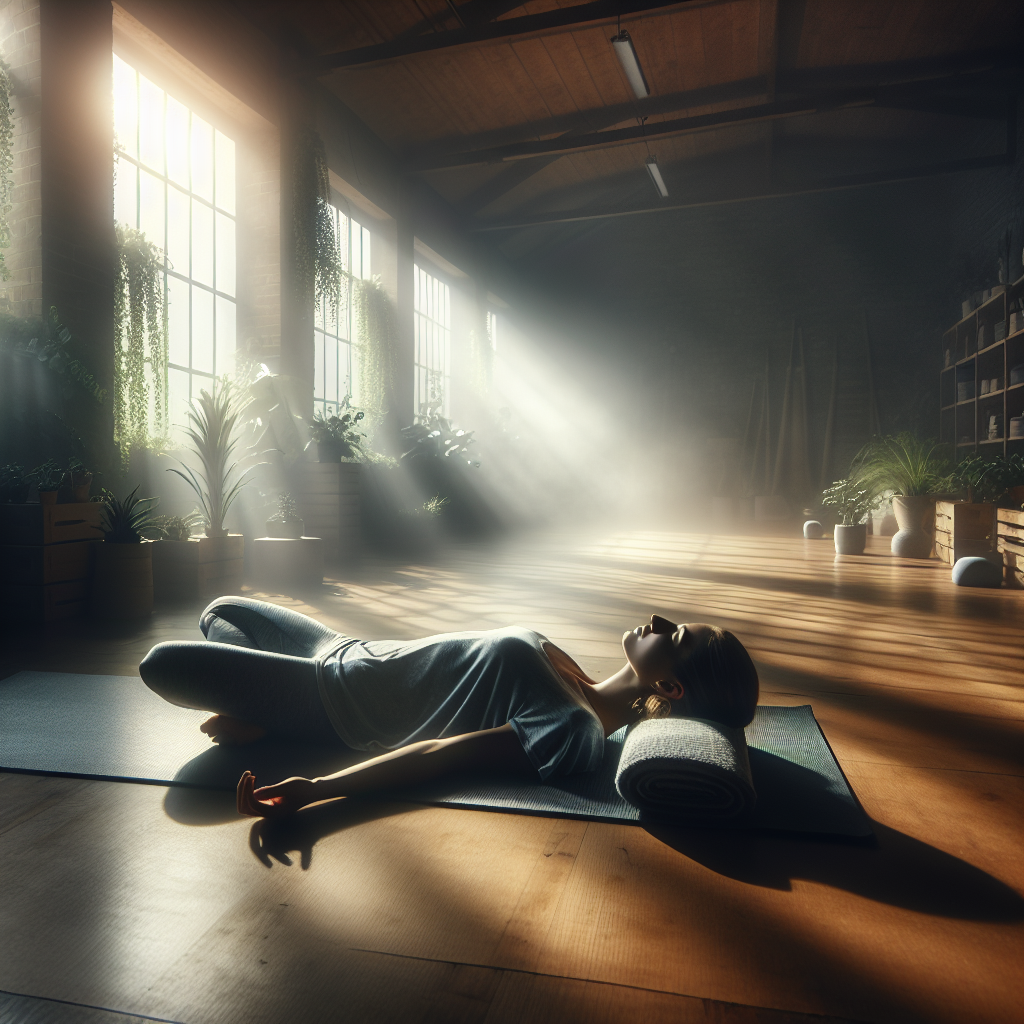
Savasana, or the Corpse Pose, is more than just a closing ritual in yoga. It is a practice that encourages the body to absorb the benefits of the preceding poses, facilitating a transition from movement to stillness. During Savasana, practitioners lie flat on their backs, with arms and legs comfortably spread, allowing the entire body to relax. This position helps to release muscular tension and promote a state of deep rest.
The practice of Savasana goes beyond physical relaxation. It is an opportunity to connect with one’s breath and cultivate mindfulness. By focusing on deep breathing, individuals can calm the mind and reduce the effects of stress and anxiety. This mindful breathing not only enhances the experience of Savasana but also carries over into daily life, promoting a sense of calm and clarity.
Benefits of Deep Rest and Relaxation
Incorporating Savasana into a regular wellness routine offers numerous benefits for both the body and mind. Physically, the pose allows muscles to relax, reducing tension and fatigue. This deep rest can lead to improved sleep quality, as the body learns to let go of stress and enter a state of relaxation more easily. Additionally, Savasana can help lower blood pressure and promote cardiovascular health by encouraging a slower, more rhythmic breathing pattern.
Mentally, Savasana provides a space for introspection and mindfulness. In this stillness, individuals can observe their thoughts without judgment, fostering a greater awareness of the present moment. This practice of mindfulness can lead to reduced anxiety and an increased ability to cope with daily stressors. By embracing the art of deep rest, practitioners can experience a profound sense of rejuvenation and inner peace.
How to Practice Savasana Effectively
Setting the Stage for Relaxation
To fully experience the benefits of Savasana, it is important to create an environment conducive to relaxation. Begin by finding a quiet space where you can lie down comfortably on a mat or soft surface. Dim the lights and consider using props such as blankets or cushions to support your body. The goal is to feel completely at ease, allowing your body to surrender to the mat.
Once you are settled, close your eyes and take a few deep breaths, allowing your body to relax with each exhale. Focus on releasing tension from your muscles, starting from your toes and working your way up to your head. As you settle into stillness, bring your attention to your breath, observing the natural rhythm of each inhale and exhale.
Mental Focus and Mindfulness
In Savasana, the mind often wanders, making it challenging to remain present. To enhance mindfulness, consider using a guided meditation or soothing music to maintain focus. As thoughts arise, acknowledge them without judgment and gently redirect your attention to your breath. This practice of mindfulness not only enriches the experience of Savasana but also cultivates a greater sense of awareness in everyday life.
Remember, Savasana is a practice of letting go. Allow yourself to embrace the stillness and surrender to the present moment. With regular practice, you will find that Savasana becomes a sanctuary of peace and relaxation, offering a respite from the demands of daily life.
Conclusion
Savasana is more than just a pose; it is a gateway to deep rest and relaxation. By embracing this practice, individuals can experience a multitude of benefits, from improved sleep quality to reduced stress and anxiety. In a world that often prioritizes productivity over relaxation, Savasana serves as a reminder of the importance of stillness and mindfulness. As you incorporate this pose into your wellness routine, you will find that it enhances not only your physical well-being but also your mental and emotional health. Embrace the art of Savasana and discover the profound peace that lies within.