

Blog
Body Alignment, Internal Structure & Their Impact on Mental and Physical Health

Introduction
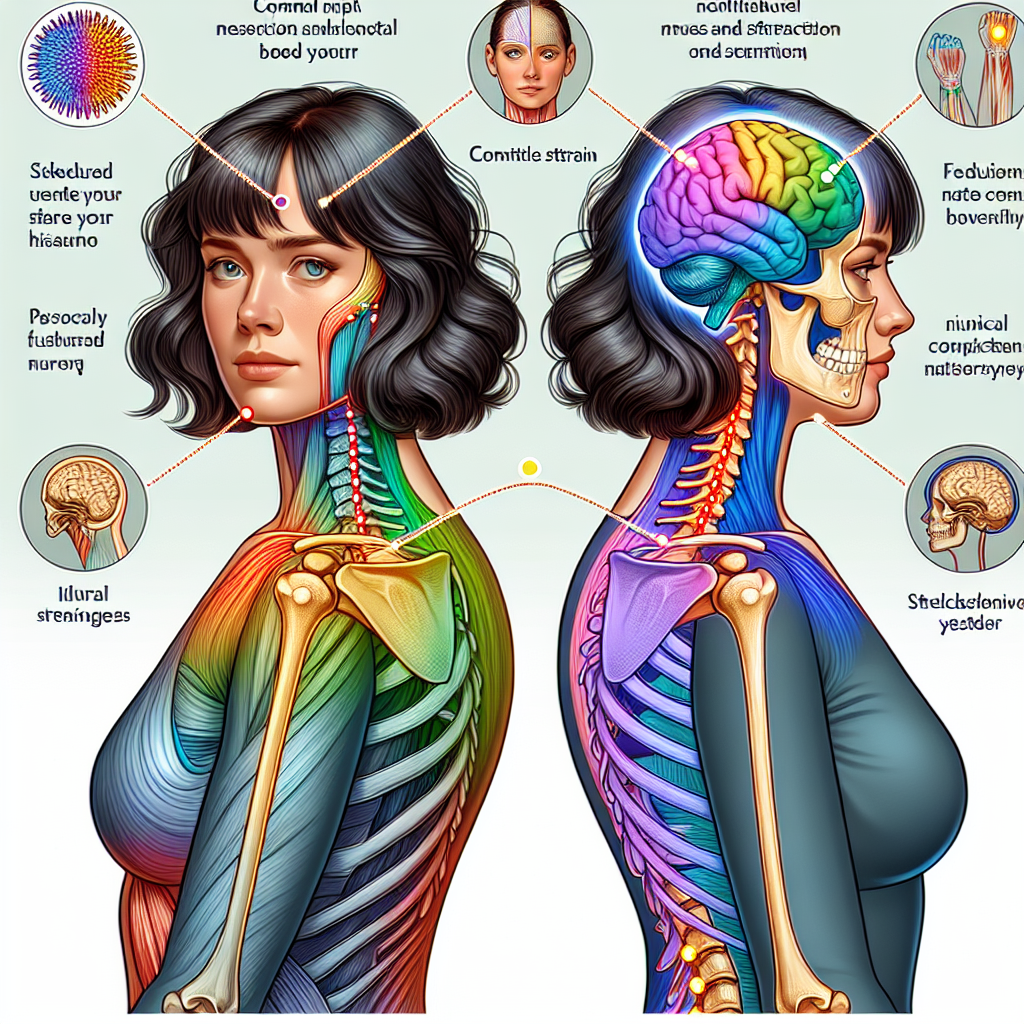
In the intricate dance of human health, the alignment of our body and its internal structure plays a pivotal role. From the way our feet touch the ground to the posture of our pelvis and ribcage, every aspect of our physical form can influence our mental and physical well-being. This connection between structural balance and overall health is profound, affecting everything from mental stability to conditions like Irritable Bowel Syndrome (IBS). Understanding this relationship is crucial for anyone looking to improve their health holistically.
The concept of body alignment goes beyond mere posture correction. It involves a comprehensive understanding of how our internal scaffolding supports our daily activities and overall health. When our body is aligned correctly, it functions optimally, reducing stress on muscles and joints and promoting better mental health. Conversely, misalignment can lead to a host of issues, both physical and mental, underscoring the importance of maintaining structural health.
In this blog, we will delve into the intricacies of body alignment and internal structure, exploring how they impact mental and physical health. We will examine the causes of misalignment, its effects on conditions like IBS, and the mind-body connection that underscores the importance of structural health.
The Importance of Body Alignment
Understanding Body Alignment
Body alignment refers to the optimal positioning of the body parts in relation to each other. This alignment ensures that the body functions efficiently, with minimal strain on muscles and joints. Proper alignment is crucial for maintaining balance, coordination, and overall physical health. It also plays a significant role in mental well-being, as physical discomfort can lead to stress and anxiety.
When the body is aligned, the internal scaffolding, including bones, muscles, and ligaments, works harmoniously. This harmony allows for smooth movement and reduces the risk of injury. Moreover, proper alignment can enhance breathing, circulation, and digestion, contributing to overall health.
Common Causes of Misalignment
Misalignment can result from various factors, including poor posture, sedentary lifestyle, and injuries. Prolonged sitting, especially with poor posture, can lead to misalignment of the spine and pelvis. Similarly, injuries can cause compensatory movements that disrupt the body’s natural alignment.
Other factors contributing to misalignment include wearing improper footwear, carrying heavy bags on one shoulder, and even stress, which can cause muscle tension and affect posture. Understanding these causes is the first step in addressing misalignment and improving overall health.
Impact on Mental and Physical Health
Physical Health Implications
Misalignment can have significant physical health implications. It can lead to chronic pain, particularly in the back, neck, and shoulders. This pain can limit mobility and affect daily activities, reducing the quality of life. Additionally, misalignment can contribute to conditions like IBS by affecting the body’s internal organs and their functions.
Proper alignment, on the other hand, can alleviate these issues. By ensuring that the body is in its optimal position, individuals can reduce pain, improve mobility, and enhance overall physical health. This improvement can lead to a more active lifestyle, further promoting health and well-being.
Mental Health Considerations
The connection between body alignment and mental health is often overlooked. However, physical discomfort from misalignment can lead to stress, anxiety, and even depression. The constant pain and limited mobility can affect mood and mental stability, highlighting the importance of addressing alignment issues.
Conversely, proper alignment can enhance mental health by reducing physical discomfort and promoting relaxation. When the body is aligned, it functions more efficiently, reducing stress and promoting a sense of well-being. This connection underscores the importance of considering both physical and mental health when addressing alignment issues.
Strategies for Improving Alignment
Posture Correction Techniques
Improving body alignment often begins with correcting posture. Simple techniques, such as sitting up straight, keeping feet flat on the ground, and aligning the ears with the shoulders, can make a significant difference. Regularly checking and adjusting posture throughout the day can help maintain alignment and prevent issues.
Incorporating exercises that strengthen the core muscles can also support better alignment. These muscles play a crucial role in maintaining posture and balance, and strengthening them can reduce the risk of misalignment.
Professional Interventions
For those struggling with alignment issues, professional interventions may be necessary. Chiropractors, physical therapists, and osteopaths specialize in diagnosing and treating alignment problems. They can provide personalized treatment plans that address specific issues and promote better alignment.
These professionals can also offer guidance on exercises and lifestyle changes that support alignment. By working with a professional, individuals can gain a deeper understanding of their body’s needs and take proactive steps to improve their health.
Conclusion
The relationship between body alignment, internal structure, and health is complex and multifaceted. By understanding the impact of alignment on both mental and physical health, individuals can take steps to improve their well-being. Whether through posture correction, professional interventions, or lifestyle changes, addressing alignment issues can lead to a healthier, more balanced life. Embracing this holistic approach to health can enhance both physical and mental well-being, underscoring the importance of structural health in our daily lives.