

Blog
Essence of Yoga, Enlightenment & the Science Behind It

Introduction
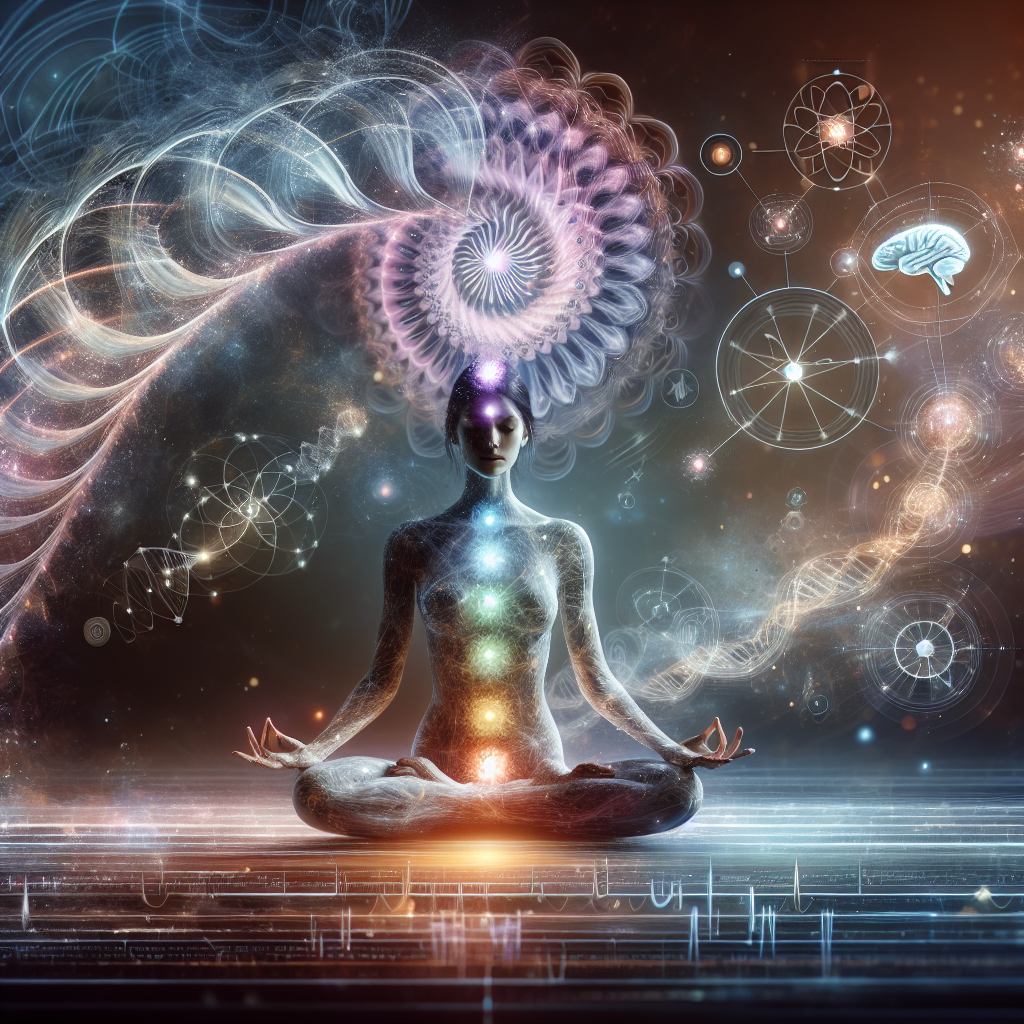
Yoga, a practice that has transcended centuries, is often perceived merely as a series of physical postures and exercises. However, its true essence delves much deeper, encompassing a profound philosophy that guides individuals towards enlightenment and a higher state of consciousness. In recent years, the intersection of yoga and modern science, particularly neuroscience, has shed light on how this ancient practice influences the brain, emotions, and overall well-being. This exploration into the essence of yoga, enlightenment, and the science behind it aims to unravel the intricate connections between mind, body, and spirit.
The journey of yoga is not just about achieving physical flexibility or strength; it is a holistic path that fosters spiritual growth and conscious living. By understanding the deeper aspects of yoga, practitioners can unlock the potential for inner awareness and transformation. This blog will delve into the philosophical underpinnings of yoga, the pathways it offers towards enlightenment, and the scientific evidence supporting its impact on mental and emotional health.
The Philosophy of Yoga
Understanding Yoga Philosophy
At its core, yoga is a philosophy that encompasses various paths and practices aimed at achieving union with the divine or higher self. The word “yoga” itself means “union” in Sanskrit, signifying the integration of mind, body, and spirit. The ancient texts, such as the Yoga Sutras of Patanjali, outline the principles and practices that form the foundation of yoga philosophy. These teachings emphasize the importance of ethical conduct, self-discipline, and meditation as means to attain spiritual enlightenment.
Yoga philosophy is not confined to any single religion or belief system; rather, it is a universal approach to understanding the nature of existence and the self. It encourages practitioners to cultivate qualities such as compassion, non-attachment, and mindfulness, which are essential for personal growth and transformation. By embracing these principles, individuals can navigate the complexities of life with greater clarity and purpose.
The Pathways to Enlightenment
Yoga offers multiple pathways to enlightenment, each catering to different temperaments and inclinations. The four main paths are Karma Yoga (the path of selfless action), Bhakti Yoga (the path of devotion), Jnana Yoga (the path of knowledge), and Raja Yoga (the path of meditation). Each path provides unique practices and techniques that guide individuals towards self-realization and liberation from the cycle of birth and death.
Karma Yoga emphasizes the importance of performing actions without attachment to the results, fostering a sense of detachment and selflessness. Bhakti Yoga involves cultivating a deep sense of devotion and love for the divine, often through prayer, chanting, and rituals. Jnana Yoga focuses on the pursuit of knowledge and wisdom, encouraging practitioners to question and explore the nature of reality. Raja Yoga, often associated with the practice of meditation, involves the systematic control of the mind and senses to achieve inner peace and enlightenment.
The Science Behind Yoga
Neuroscience and Yoga
Modern neuroscience has begun to uncover the profound effects of yoga on the brain and nervous system. Studies have shown that regular yoga practice can lead to structural and functional changes in the brain, enhancing cognitive function, emotional regulation, and stress resilience. The practice of meditation, a key component of yoga, has been found to increase gray matter density in areas of the brain associated with memory, empathy, and emotional regulation.
Yoga’s impact on the autonomic nervous system is also significant, promoting a state of relaxation and reducing the physiological markers of stress. By activating the parasympathetic nervous system, yoga helps to lower heart rate, blood pressure, and cortisol levels, contributing to overall well-being and mental clarity.
The Mind-Body Connection
The practice of yoga fosters a deep connection between the mind and body, enhancing self-awareness and promoting holistic health. Through mindful movement and breath control, practitioners develop a heightened sense of body awareness, allowing them to tune into their physical and emotional states. This awareness is crucial for identifying and addressing imbalances, leading to improved physical health and emotional well-being.
Yoga also encourages the cultivation of mindfulness, a state of present-moment awareness that enhances focus, concentration, and emotional resilience. By integrating mindfulness into daily life, individuals can navigate challenges with greater ease and maintain a sense of inner peace amidst external turmoil.
Conclusion
The essence of yoga extends far beyond the physical postures and exercises commonly associated with the practice. It is a profound philosophy that offers pathways to enlightenment and spiritual growth, supported by modern scientific research. By embracing the principles of yoga and integrating them into daily life, individuals can experience a transformation that encompasses mind, body, and spirit. As we continue to explore the science behind yoga, it becomes increasingly clear that this ancient practice holds the key to unlocking our highest potential and achieving a state of inner harmony and balance.