

Blog
Aromatherapy Explained: Science, Daily Rituals & Choosing the Right Oils

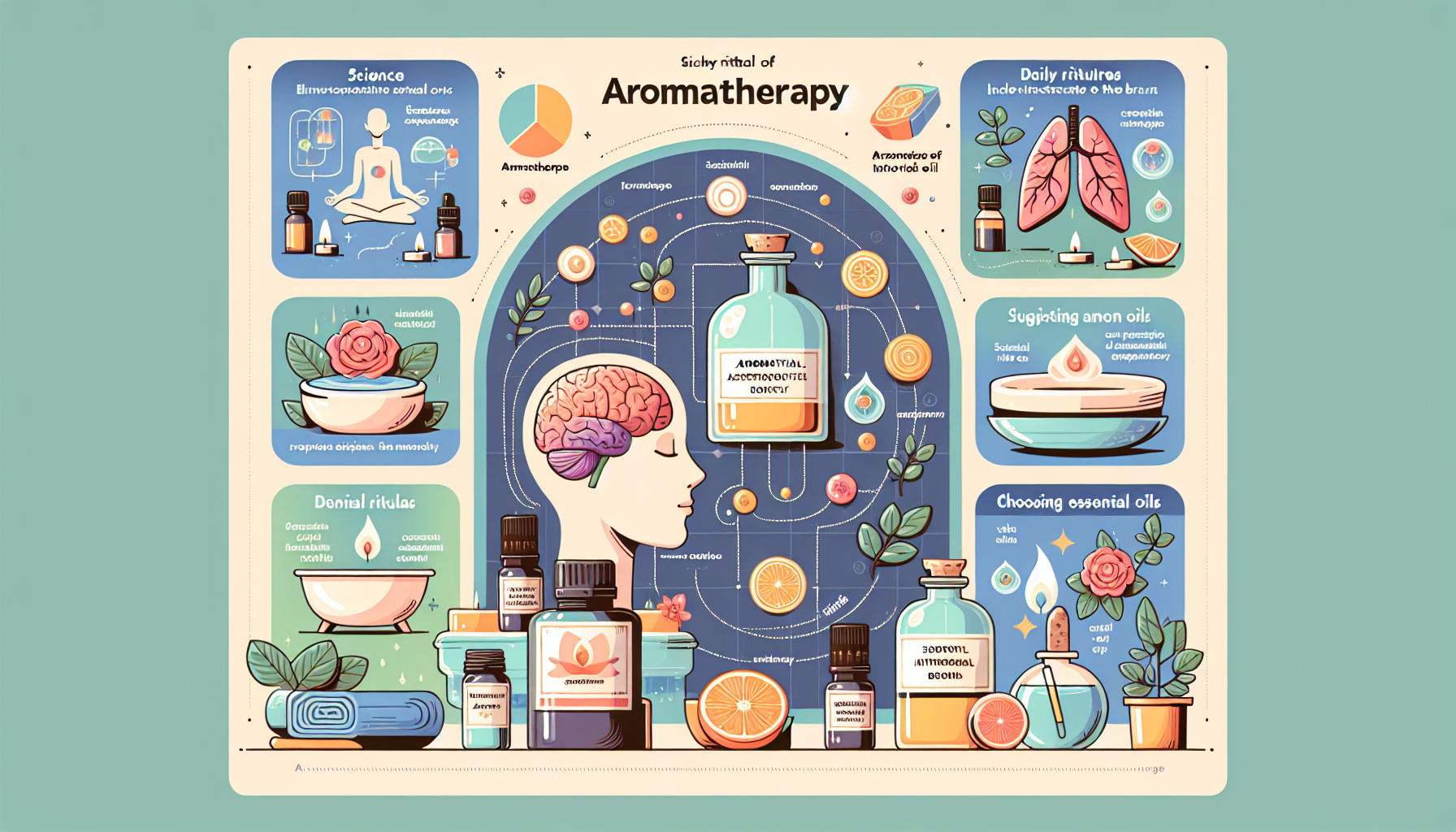
Introduction
Aromatherapy has been a cornerstone of holistic wellness for centuries, offering a natural pathway to healing and relaxation. This practice involves the use of essential oils extracted from plants to enhance physical and emotional well-being. As more people seek natural healing methods, aromatherapy has gained popularity for its ability to provide stress relief and promote holistic wellness. Understanding the science behind aromatherapy and how to incorporate it into daily self-care rituals can empower you to harness its therapeutic benefits effectively.
Aromatherapy works by stimulating the olfactory system, which is connected to the brain’s limbic system, responsible for emotions and memory. When inhaled, essential oils can influence mood, stress levels, and even physiological functions. This connection between scent and the brain is why aromatherapy is often used for stress relief and emotional balance. By integrating aromatherapy into your daily routine, you can create a soothing environment that supports mental clarity and relaxation.
The Science Behind Aromatherapy
How Essential Oils Interact with the Body
Essential oils are concentrated plant extracts that capture the plant’s scent and flavor, or “essence.” These oils are obtained through distillation or mechanical methods, such as cold pressing. When used in aromatherapy, essential oils are either inhaled or applied to the skin. Inhalation allows the aromatic molecules to travel through the nose to the brain, where they can affect the limbic system. This interaction can lead to changes in heart rate, stress levels, blood pressure, and even immune function.
The Role of the Limbic System
The limbic system is a complex set of structures in the brain that deals with emotions and memory. It is directly connected to the parts of the brain that control heart rate, blood pressure, breathing, memory, stress levels, and hormone balance. This is why essential oils can have such a profound effect on mood and overall well-being. For instance, lavender oil is known for its calming properties, while peppermint oil can invigorate and energize.
Incorporating Aromatherapy into Daily Rituals
Creating a Relaxing Atmosphere
Incorporating aromatherapy into your daily routine can be as simple as diffusing essential oils in your living space. A diffuser disperses the oils into the air, allowing you to breathe in their therapeutic benefits. For a calming atmosphere, consider using oils like lavender, chamomile, or ylang-ylang. These oils are known for their ability to reduce stress and promote relaxation.
Enhancing Self-Care Practices
Aromatherapy can also enhance other self-care rituals, such as meditation, yoga, or a warm bath. Adding a few drops of essential oil to your bathwater can create a spa-like experience at home. Similarly, using oils during meditation or yoga can deepen your practice by promoting focus and tranquility. Oils like frankincense and sandalwood are particularly beneficial for these practices due to their grounding properties.
Choosing the Right Oils for Your Needs
Understanding Oil Properties
With so many essential oils available, choosing the right ones for your needs can be overwhelming. It’s important to understand the properties of each oil and how they align with your wellness goals. For example, if you’re seeking stress relief, oils like lavender, bergamot, and clary sage are excellent choices. For boosting energy and focus, consider peppermint, rosemary, or lemon.
Safety and Quality Considerations
When selecting essential oils, quality is paramount. Look for oils that are 100% pure, therapeutic grade, and free from additives. It’s also important to consider safety, as some oils can cause skin irritation or allergic reactions. Always perform a patch test before applying oils to the skin, and consult with a healthcare professional if you have any concerns.
Conclusion
Aromatherapy offers a natural and effective way to enhance your well-being through the power of scent. By understanding the science behind essential oils and incorporating them into your daily rituals, you can experience the profound benefits of this ancient practice. Whether you’re seeking stress relief, emotional balance, or a deeper connection to your self-care routines, aromatherapy can be a valuable tool in your holistic wellness journey. Embrace the therapeutic oils that resonate with your needs and enjoy the soothing, transformative effects they bring to your life.