

Blog
IBS, Gut–Brain Connection & the Role of Hypnotherapy in Healing

Introduction
Irritable Bowel Syndrome (IBS) is a common digestive disorder that affects millions of people worldwide. It is characterized by symptoms such as abdominal pain, bloating, and altered bowel habits. While the exact cause of IBS remains elusive, recent research has highlighted the significant role of the gut-brain connection in influencing these symptoms. Understanding this connection is crucial for effective IBS management. Moreover, hypnotherapy has emerged as a promising approach to support individuals in managing stress, regulating gut responses, and enhancing overall digestive health. In this blog post, we will delve into the intricate relationship between the gut and brain and explore how hypnotherapy can play a vital role in healing.
Understanding the Gut-Brain Connection
The Science Behind the Connection
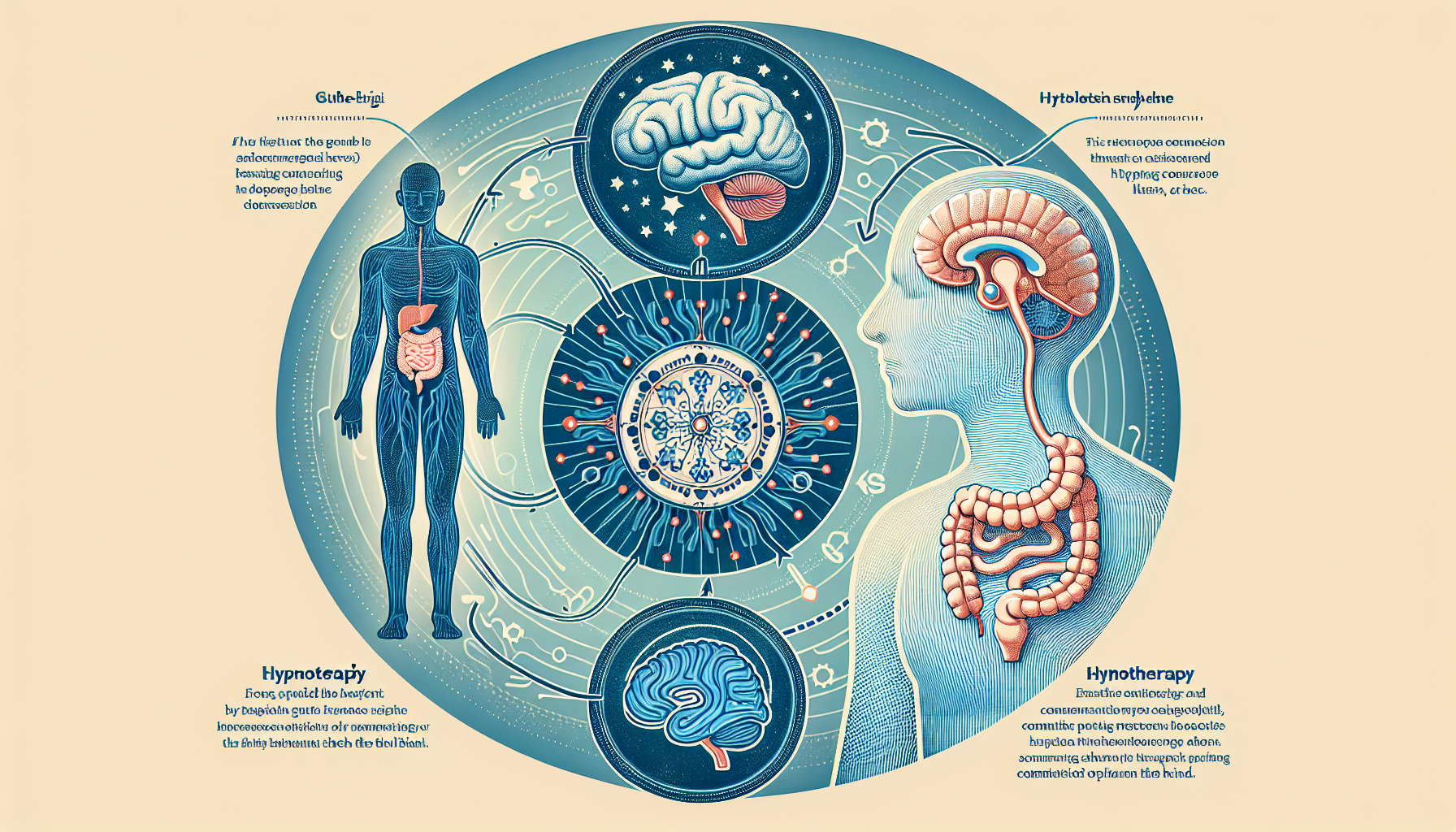
The gut-brain connection refers to the bidirectional communication between the gastrointestinal tract and the brain. This complex interaction is facilitated by the enteric nervous system, often referred to as the “second brain,” which operates independently yet communicates with the central nervous system. This connection is crucial in regulating digestive processes and can significantly impact emotional and psychological well-being.
How Stress Affects the Gut
Stress is a major factor that can exacerbate IBS symptoms. When the brain perceives stress, it can trigger a cascade of responses that affect gut motility and sensitivity. This can lead to increased abdominal pain and discomfort. Understanding the impact of stress on the gut is essential for developing effective IBS management strategies.
The Role of Hypnotherapy in IBS Management
What is Hypnotherapy?
Hypnotherapy is a therapeutic technique that uses guided relaxation and focused attention to achieve a heightened state of awareness, often referred to as a trance. In this state, individuals are more open to suggestions, which can be used to promote positive changes in behavior and perception.
Hypnotherapy for IBS
Research has shown that hypnotherapy can be an effective tool for managing IBS symptoms. By addressing the psychological aspects of IBS, hypnotherapy can help reduce stress and anxiety, which are known triggers for IBS flare-ups. It can also promote relaxation and improve the overall quality of life for individuals with IBS.
Case Studies and Evidence
Several studies have demonstrated the efficacy of hypnotherapy in reducing IBS symptoms. Patients who underwent hypnotherapy reported significant improvements in abdominal pain, bloating, and bowel habits. These findings suggest that hypnotherapy can be a valuable addition to conventional IBS treatments.
Integrating Hypnotherapy into IBS Treatment Plans
Personalized Treatment Approaches
Every individual with IBS is unique, and treatment plans should be tailored to meet their specific needs. Integrating hypnotherapy into a comprehensive treatment plan can provide a holistic approach to managing IBS. This may include dietary modifications, stress management techniques, and regular hypnotherapy sessions.
Working with Healthcare Professionals
It is important for individuals considering hypnotherapy for IBS to work closely with healthcare professionals. A collaborative approach ensures that all aspects of the individual’s health are addressed, and the most effective treatment plan is developed.
Conclusion
The gut-brain connection plays a pivotal role in the manifestation of IBS symptoms, and understanding this relationship is key to effective management. Hypnotherapy offers a promising avenue for individuals seeking to manage stress, regulate gut responses, and improve their overall digestive health. By integrating hypnotherapy into a comprehensive treatment plan, individuals with IBS can experience significant improvements in their quality of life. If you are struggling with IBS, consider exploring hypnotherapy as a supportive approach to healing.