

Blog
Selective Mutism, Social Anxiety & Building Confident Communication.

Introduction
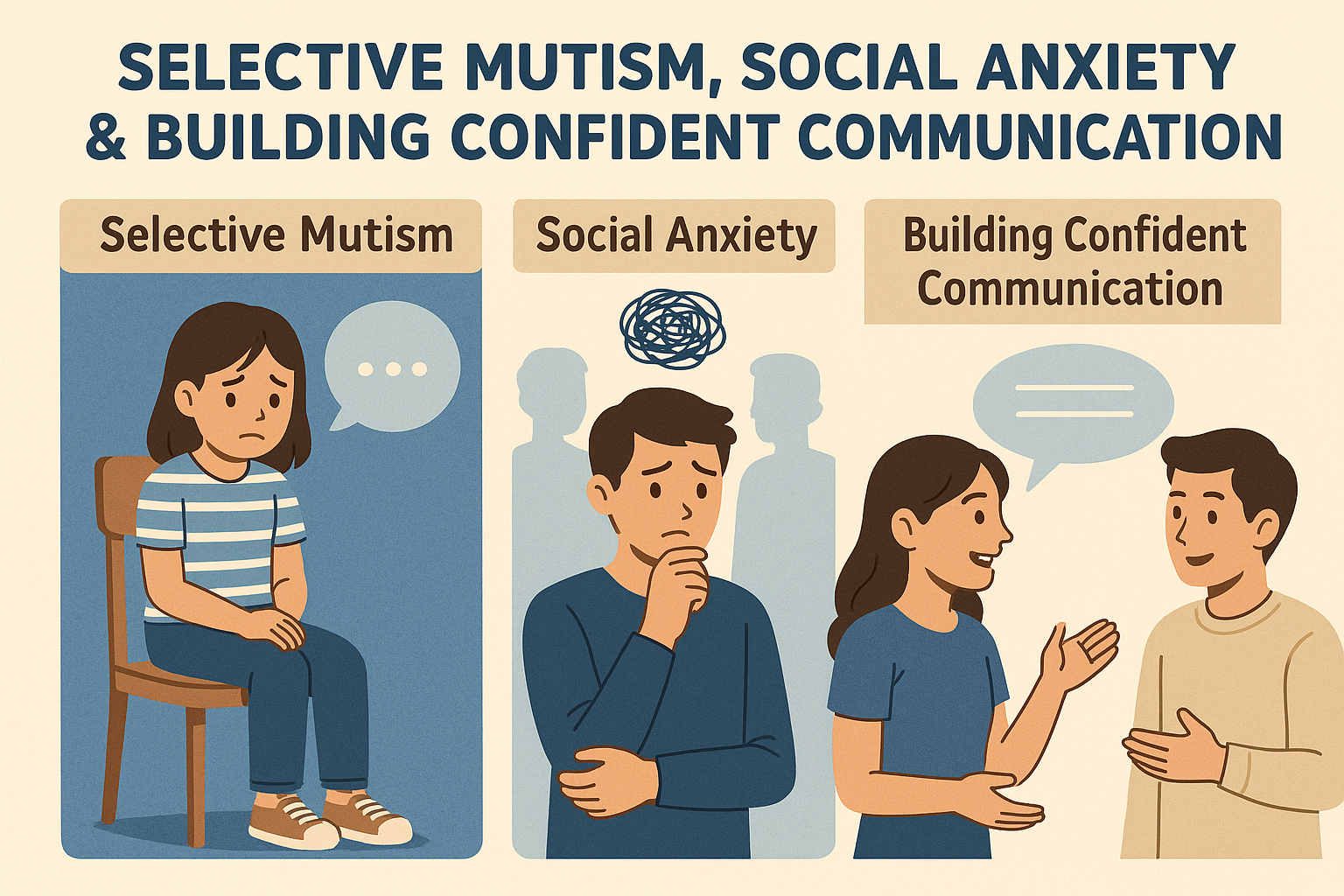
Selective mutism and social anxiety are often misunderstood conditions that can significantly impact an individual’s ability to communicate effectively. These conditions can create barriers to self-expression, leading to feelings of isolation and frustration. However, with the right strategies and support, individuals can overcome these challenges and build confident communication skills. In this blog post, we will explore the realities of selective mutism and social anxiety, examine the influence of social media, and highlight practical ways to enhance communication skills, assertiveness, and confidence. By raising awareness and empowering individuals, we can foster emotional resilience and mental health awareness.
Understanding Selective Mutism
Causes and Symptoms
The causes of selective mutism are multifaceted, often involving a combination of genetic, environmental, and psychological factors. Symptoms typically include a consistent inability to speak in specific social settings, such as school or public places, while being able to communicate freely in comfortable environments like home. This inconsistency can lead to misunderstandings and misdiagnoses, making awareness and education crucial.
Impact on Daily Life
The impact of selective mutism on daily life can be profound. Individuals may struggle with academic performance, social interactions, and self-esteem. The fear of speaking can lead to avoidance of social situations, further exacerbating feelings of isolation and anxiety. Understanding these challenges is the first step in providing effective support and intervention.
Social Anxiety and Its Influence
The Role of Social Media
Social media can both alleviate and exacerbate social anxiety. On one hand, it provides a platform for connection and self-expression without the immediate pressure of face-to-face interaction. On the other hand, it can intensify feelings of inadequacy and comparison, leading to increased anxiety and self-doubt. Understanding the dual role of social media is essential in navigating its impact on mental health.
Strategies for Managing Social Anxiety
Managing social anxiety involves a combination of self-help strategies, therapy, and support. Cognitive-behavioral therapy (CBT) is often effective in addressing negative thought patterns and building coping skills. Additionally, mindfulness practices, such as meditation and deep breathing, can help reduce anxiety and promote relaxation. Encouraging gradual exposure to feared situations can also build confidence and resilience.
Building Confident Communication Skills
Techniques for Confidence Building
Confidence building involves recognizing and challenging negative self-talk, setting realistic goals, and celebrating small achievements. Role-playing and practicing communication in safe environments can also boost confidence and prepare individuals for real-life interactions. Encouraging positive self-affirmations and visualization techniques can further reinforce a confident mindset.
The Importance of Assertiveness
Assertiveness is the ability to express one’s thoughts, feelings, and needs openly and respectfully. It is a crucial skill for effective communication and self-advocacy. Teaching assertiveness involves helping individuals recognize their rights, set boundaries, and communicate their needs without aggression or passivity. By fostering assertiveness, individuals can improve their relationships and overall well-being.
Conclusion
Selective mutism and social anxiety are challenging conditions that require understanding, support, and effective strategies for improvement. By raising awareness and empowering individuals with the tools to build confident communication skills, we can promote mental health awareness and emotional resilience. Whether through therapy, self-help strategies, or community support, individuals can overcome these challenges and achieve better self-expression and emotional well-being. Embracing these approaches not only benefits those directly affected but also fosters a more inclusive and understanding society.