

Blog
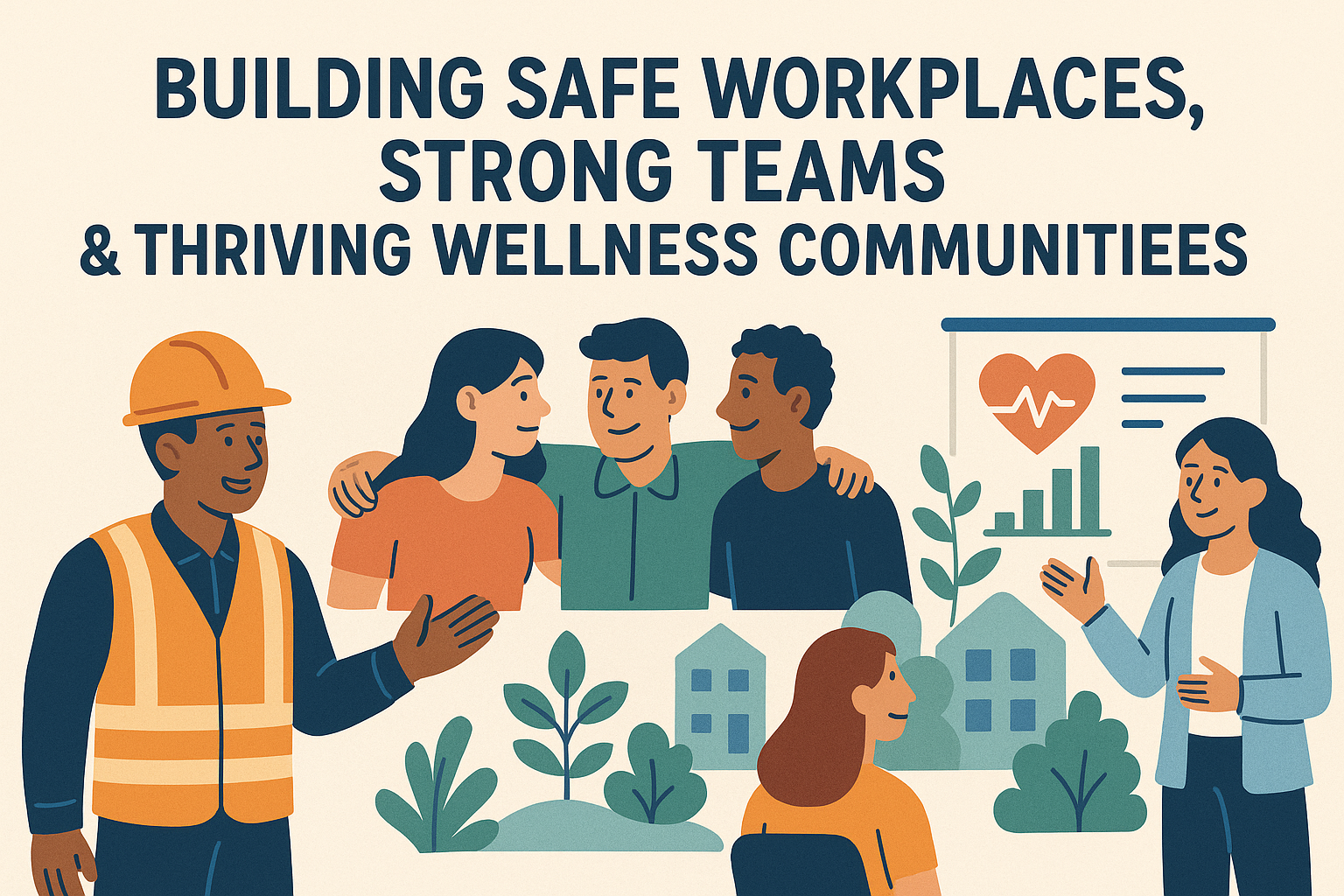
Building Safe Workplaces, Strong Teams & Thriving Wellness Communities.

Introduction
In today’s fast-paced corporate world, the importance of building safe workplaces, strong teams, and thriving wellness communities cannot be overstated. As organizations strive to enhance productivity and employee satisfaction, the focus on workplace wellbeing has become paramount. Creating an environment where employees feel safe, valued, and supported is essential for fostering a culture of excellence and innovation. This blog explores how leaders can create psychologically safe workplaces, foster supportive team environments, and leverage the power of communities to drive sustainable corporate wellness and performance.
The Foundation of Workplace Wellbeing
Understanding Workplace Wellbeing
Workplace wellbeing is a holistic approach that encompasses physical, mental, and emotional health. It involves creating an environment where employees can thrive, both personally and professionally. Leaders play a crucial role in promoting workplace wellbeing by implementing policies and practices that prioritize employee health and happiness. By focusing on wellbeing, organizations can reduce stress, increase job satisfaction, and improve overall performance.
Leadership Safety: A Cornerstone of Wellbeing
Leadership safety is about creating a culture where employees feel safe to express their ideas, concerns, and feedback without fear of retribution. This psychological safety is vital for fostering innovation and collaboration. Leaders must actively listen to their teams, encourage open communication, and demonstrate empathy. By doing so, they build trust and create a supportive environment that enhances workplace wellbeing.
Building Strong Teams
The Importance of a Supportive Team Environment
A supportive team environment is essential for achieving organizational goals. When team members feel valued and respected, they are more likely to collaborate effectively and contribute to the team’s success. Leaders can foster a positive team environment by promoting inclusivity, recognizing achievements, and providing opportunities for professional growth. By investing in team development, organizations can build strong, cohesive teams that drive performance.
Strategies for Team Building
Effective team building requires intentional effort and strategic planning. Leaders can implement various strategies to strengthen team dynamics, such as team-building activities, regular feedback sessions, and cross-functional projects. Encouraging diversity and inclusion within teams also enhances creativity and problem-solving. By prioritizing team building, organizations can create a culture of collaboration and mutual support.
Thriving Wellness Communities
The Role of Community Building in Corporate Wellness
Community building is a powerful tool for enhancing corporate wellness. By fostering a sense of belonging and connection, organizations can create a supportive network that promotes employee wellbeing. Community initiatives, such as wellness programs, social events, and volunteer opportunities, encourage employees to engage with one another and build meaningful relationships. These connections contribute to a positive organizational culture and enhance overall wellbeing.
Leveraging the Power of Communities
Organizations can leverage the power of communities to drive sustainable wellness initiatives. By involving employees in the planning and implementation of wellness programs, leaders can ensure that these initiatives are relevant and impactful. Encouraging employee participation and feedback also fosters a sense of ownership and commitment to the organization’s wellness goals. By building thriving wellness communities, organizations can create a culture of health and wellbeing that benefits both employees and the organization as a whole.
Conclusion
Building safe workplaces, strong teams, and thriving wellness communities is essential for achieving organizational success. By prioritizing workplace wellbeing, leadership safety, and community building, leaders can create an environment where employees feel valued, supported, and motivated. These efforts not only enhance employee satisfaction and performance but also contribute to a positive organizational culture. As organizations continue to navigate the challenges of the modern workplace, the focus on wellbeing and community building will remain a critical component of sustainable success.