

Blog
Senior Fitness, Mobility & Brain Health: Aging with Strength and Clarity

Introduction
Aging is a natural part of life, but how we age can significantly impact our quality of life. As we grow older, maintaining physical fitness, mobility, and brain health becomes increasingly important. These elements are not just about adding years to life but adding life to years. By focusing on senior fitness, mobility exercises, and brain health, seniors can enjoy a more active, independent, and fulfilling life.
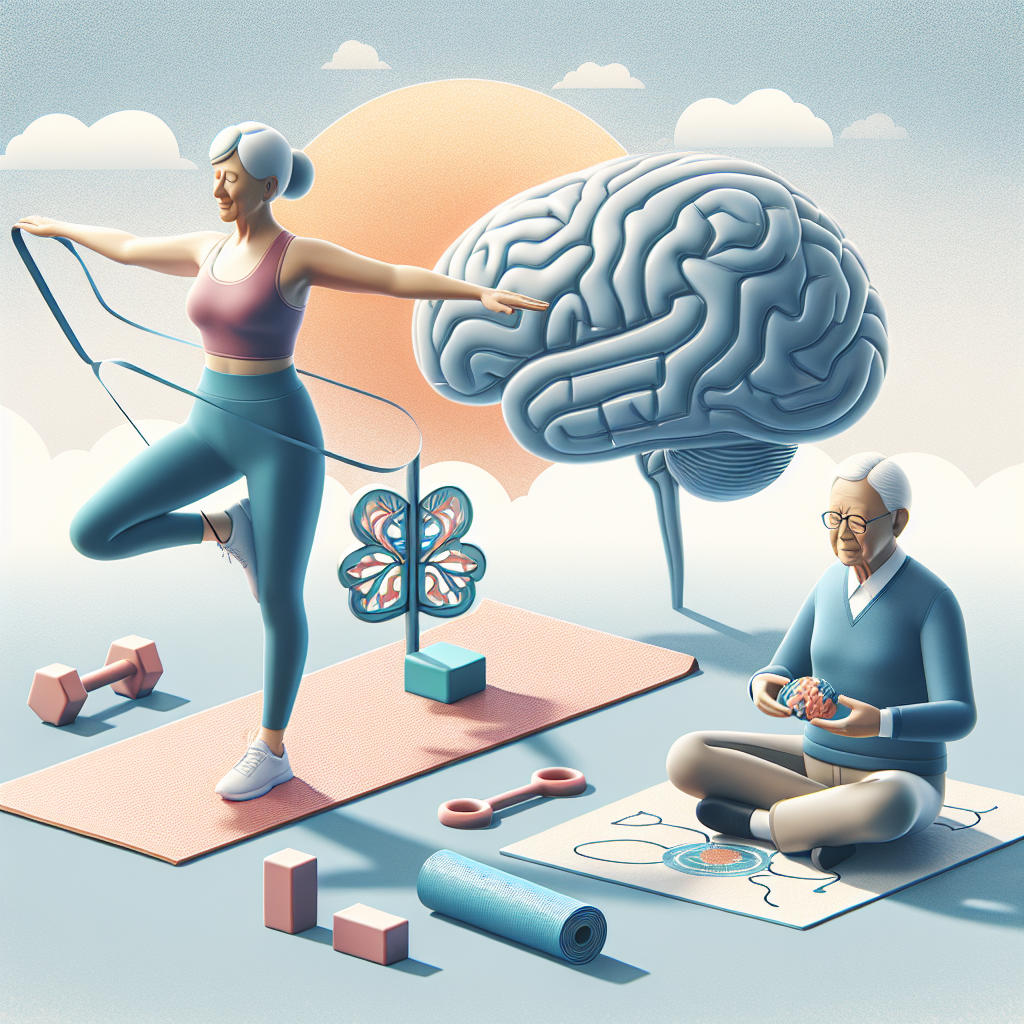
The journey of aging well involves embracing a lifestyle that supports both the body and the mind. Physical activity, mental engagement, and social interaction are key components that contribute to healthy aging. This blog explores the importance of senior fitness, mobility, and brain health, offering insights and practical tips to help seniors age with strength and clarity.
Incorporating regular exercise and mental stimulation into daily routines can help seniors maintain their independence, boost cognitive function, and enhance overall wellness. By understanding the benefits and implementing strategies for active aging, seniors can navigate the aging process with confidence and vitality.
The Importance of Senior Fitness
Physical Health and Longevity
Regular physical activity is crucial for maintaining health and longevity in seniors. Engaging in exercises that promote cardiovascular health, strength, and flexibility can help reduce the risk of chronic diseases such as heart disease, diabetes, and arthritis. Exercise also plays a vital role in maintaining a healthy weight, improving balance, and enhancing overall physical function.
For seniors, fitness is not about achieving peak athletic performance but about maintaining the ability to perform daily activities with ease. Simple activities like walking, swimming, or yoga can significantly improve physical health and contribute to a longer, healthier life.
Mental Health and Emotional Well-being
Exercise is not only beneficial for physical health but also for mental health. Physical activity releases endorphins, which are natural mood lifters. Regular exercise can help reduce symptoms of depression and anxiety, improve sleep quality, and boost overall emotional well-being.
For seniors, staying active can also provide a sense of purpose and accomplishment, enhancing self-esteem and confidence. Group activities or classes can offer social interaction, reducing feelings of loneliness and isolation.
Enhancing Mobility and Independence
Mobility Exercises for Seniors
Mobility is a key factor in maintaining independence as we age. Mobility exercises focus on improving the range of motion, flexibility, and strength, which are essential for performing everyday tasks. These exercises can help prevent falls, a common concern among seniors, by improving balance and coordination.
Incorporating exercises such as stretching, tai chi, or balance drills into a daily routine can enhance mobility and reduce the risk of injury. These activities not only support physical health but also contribute to a sense of independence and confidence in daily life.
Adapting to Physical Changes
As the body ages, it undergoes various changes that can affect mobility. Understanding and adapting to these changes is crucial for maintaining independence. Seniors should focus on exercises that accommodate their current physical abilities while gradually challenging themselves to improve.
Working with a physical therapist or fitness professional can provide personalized guidance and support, ensuring that exercises are safe and effective. By staying proactive and adaptable, seniors can continue to enjoy an active lifestyle.
Brain Health and Cognitive Function
Engaging the Mind
Cognitive function is a critical aspect of aging well. Keeping the mind active and engaged can help preserve memory, attention, and problem-solving skills. Activities such as puzzles, reading, learning new skills, or playing musical instruments can stimulate the brain and promote cognitive health.
Social interaction is also vital for brain health. Engaging in conversations, participating in group activities, or volunteering can provide mental stimulation and emotional satisfaction, contributing to overall cognitive well-being.
Preventing Cognitive Decline
While some cognitive decline is a natural part of aging, there are ways to slow its progression. A healthy diet, regular exercise, and mental engagement are key factors in maintaining brain health. Foods rich in antioxidants, omega-3 fatty acids, and vitamins can support cognitive function and protect against age-related decline.
Incorporating brain-boosting activities into daily life can help seniors maintain mental sharpness and clarity. By prioritizing brain health, seniors can enjoy a more vibrant and fulfilling life.
Conclusion
Aging with strength and clarity is achievable through a balanced approach to fitness, mobility, and brain health. By staying physically active, maintaining mobility, and engaging the mind, seniors can preserve their independence, boost cognitive function, and enhance their overall quality of life.
Embracing a lifestyle that supports both the body and the mind is essential for aging well. With the right strategies and mindset, seniors can navigate the aging process with confidence, vitality, and joy. The journey of aging is not just about adding years to life but adding life to years, and it begins with taking proactive steps towards health and wellness.