

Blog
Inner Child Healing, Survival Patterns & Emotional Growth

Introduction
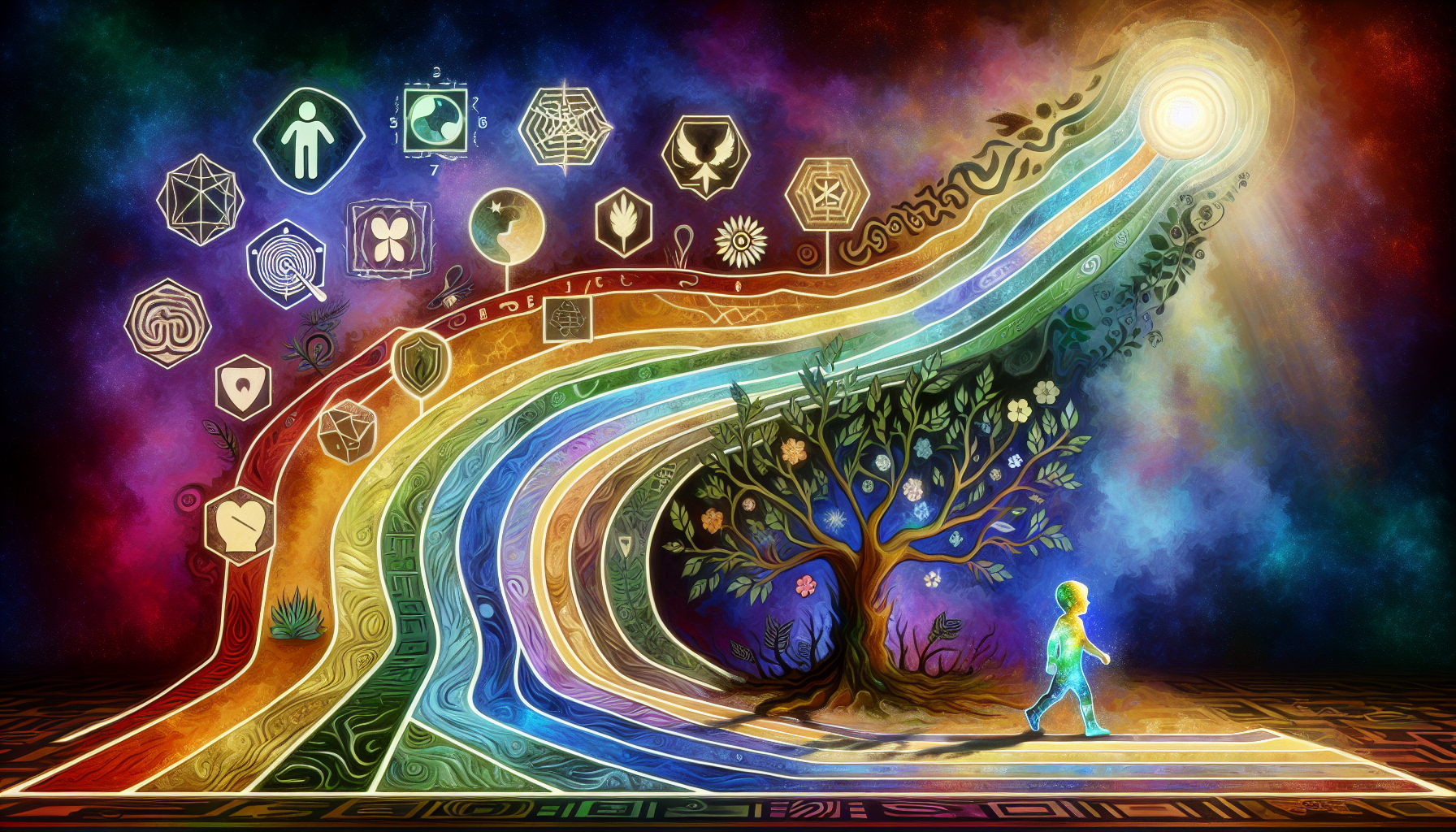
In the journey of personal growth and mental wellness, understanding the concept of inner child healing is pivotal. This reflective and healing-oriented process involves delving into the emotional patterns and survival strategies that we developed during our early years. These patterns, often formed as a response to trauma or challenging circumstances, can significantly impact our emotional health and relationships in adulthood. By addressing these patterns, we embark on a healing journey that fosters self-awareness and long-term personal growth.
Understanding Inner Child Healing
The Concept of the Inner Child
The inner child represents the childlike aspect of our personality that holds our emotions, memories, and experiences from childhood. This part of us is often hidden beneath layers of adult responsibilities and societal expectations. However, it continues to influence our thoughts, behaviors, and emotional responses. Inner child healing involves reconnecting with this part of ourselves, acknowledging its needs, and addressing any unresolved issues from the past.
Why Inner Child Healing Matters
Engaging in inner child healing is crucial for emotional growth and mental wellness. It allows us to understand the root causes of our emotional patterns and survival strategies. By healing the wounds of our inner child, we can break free from limiting beliefs and behaviors that hinder our personal growth. This process not only enhances our self-awareness but also improves our relationships with others by fostering empathy and understanding.
Unpacking Survival Patterns
Formation of Survival Patterns
Survival patterns are coping mechanisms that we develop in response to challenging or traumatic experiences during childhood. These patterns are designed to protect us from emotional pain and help us navigate difficult situations. However, as we grow older, these patterns can become maladaptive, leading to issues such as anxiety, depression, and relationship difficulties.
Identifying and Addressing Survival Patterns
The first step in addressing survival patterns is to identify them. This requires introspection and self-awareness, as well as a willingness to confront uncomfortable emotions and memories. Once identified, these patterns can be addressed through various therapeutic techniques, such as cognitive-behavioral therapy, mindfulness, and inner child work. By doing so, we can replace maladaptive patterns with healthier coping strategies that support our emotional well-being.
The Role of Emotional Growth
Emotional Growth and Self-Awareness
Emotional growth is a continuous process that involves developing a deeper understanding of our emotions and how they influence our behavior. It requires self-awareness and a commitment to personal development. Through inner child healing, we can enhance our emotional intelligence, which allows us to navigate life’s challenges with resilience and grace.
Fostering Healthier Relationships
As we heal our inner child and address our survival patterns, we become more emotionally available and empathetic. This transformation positively impacts our relationships, as we are better equipped to communicate effectively, set healthy boundaries, and nurture meaningful connections with others. Emotional growth thus becomes a catalyst for healthier, more fulfilling relationships.
Conclusion
Inner child healing is a transformative journey that requires courage, patience, and self-compassion. By addressing the survival patterns and emotional wounds of our past, we pave the way for personal growth and mental wellness. This healing journey not only enhances our self-awareness but also fosters healthier relationships and a deeper sense of fulfillment. Embrace the process of inner child healing and witness the profound impact it can have on your life.