

Blog

Importance of Meditation

# Introduction
Meditation has been practiced for thousands of years and is known for its profound effects on mental, emotional, and phy...
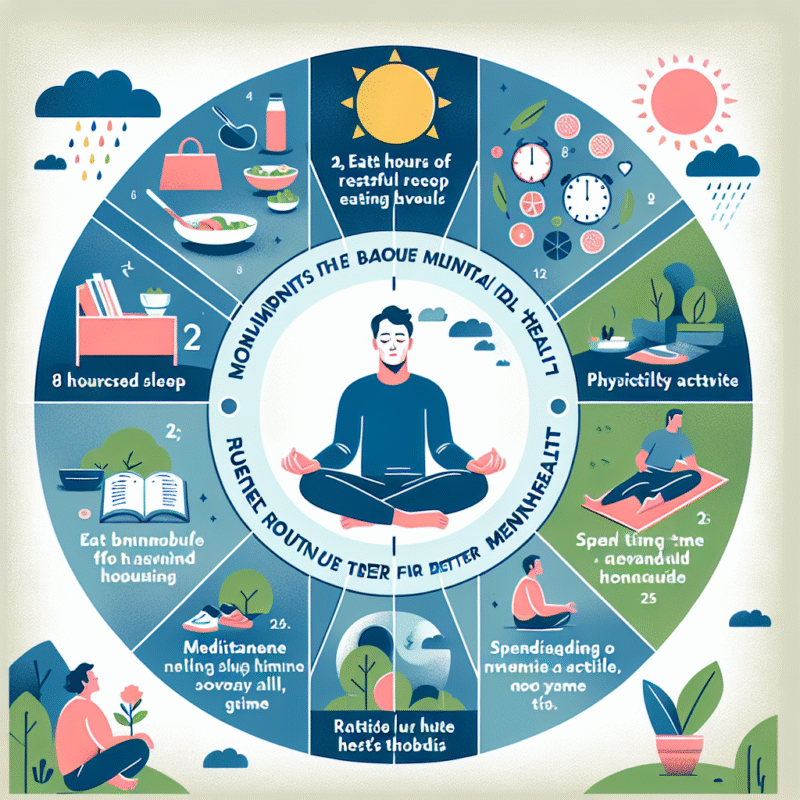
How to Build a Balanced Daily Routine for Better Mental Health
### Introduction
In today's fast-paced world, maintaining a balanced daily routine is pivotal to ensuring good mental health. A well-s...

Mindful Moves: Yoga for Brainpower and Hormonal Harmony

This text explores the connection between yoga, neuroscience, and hormonal health. It reveals how yoga can enhance physical well-being, mental clarity, and emotional balance. Regular yoga practice can increase neuroplasticity, which reduces symptoms of anxiety, depression, and other mental disorders, as well as improving cognitive function and memory. Yoga also plays a significant role in hormonal regulation, lowering stress hormone levels and increasing mood-stabilizing hormones. The practice can enhance fertility by reducing stress and promoting blood flow to reproductive organs. Practicing yoga in groups or with a partner can enhance emotional connection and support during family planning. The text also includes a FAQ section, answering common questions about yoga practice for brain health and hormonal balance.

Unlocking Intuition: Your Guide to Natural Healing and Mental Wellness
"Intuition: Unlocking Your Inner Wisdom for Natural Healing and Mental Health" is a comprehensive guide that explores the power of intuition as a tool for personal growth and emotional well-being. The post discusses how intuition, an instinctive understanding without conscious reasoning, can be harnessed to enhance natural healing and mental health. It includes scientific studies, practical methods such as mindfulness and meditation, experiments with dream journals, nature connection, and creativity. Additionally, the post provides actionable advice on cultivating intuition and offers guidance on how to integrate it into daily life for more authentic living. It also clarifies common questions about intuition and its effect on decision making, and its role in nature and mindfulness.

Empowered Leadership: Harnessing Ancient Wisdom for Modern Women
The text explores how principles from Buddhist teachings, epic narratives, and natural healing practices can be incorporated into female leadership for more effective outcomes. It highlights the importance of mindfulness, compassion, and interconnectedness, as emphasized in Buddhism, for cultivating a healthy and supportive work environment. Through the stories of strong female figures from epics, modern female leaders can find inspiration and lessons in resilience, integrity, and standing against injustice. The benefits of natural healing practices such as yoga, meditation, and herbal remedies on mental health are also discussed as crucial components of effective leadership.

Astrology and Wellness: Aligning Your Cosmic Energy for Better Health
"Astrology & Health: Decoding the Cosmic Blueprint of Your Well-being" is a guide which explores the connection between natural healing and astrology. It delves into how the astrological elements can influence our mental and physical health. The four elements - Earth, Water, Fire, and Air - correspond to various astrological signs, each offering unique paths to wellness. The post discusses using one's astrological birth chart for personalized health insights and explains the importance of moon phases in managing energy levels. It highlights the use of astrology in having a more holistic approach to health.

Empowering Women’s Sexual Health Through Natural Remedies
This article discusses the importance of understanding women's sexual health and incorporating natural healing approaches. It provides solutions for common sexual health issues such as libido fluctuations, vaginal irritation, menstrual discomfort, and mental wellbeing, suggesting remedies like Maca root, Ashwagandha, coconut oil, and probiotics. The article also emphasizes the importance of open dialogue, education, and lifestyle choices, stating that they play a crucial role in ensuring optimal health and happiness for women.

Unlocking Harmony: The Synergy of Numerology and Vastu Shastra
"Unlocking Life's Code: A Journey into Numerology and Vastu" explores the integration of the ancient systems of Numerology and Vastu Shastra. Taking a deep dive into numerology, the study of numbers' mystical significance, the author discusses how numbers can influence our life events and interactions. The book also introduces Vastu Shastra, an ancient Indian architectural science aimed at creating harmonious living and working spaces. By combining the insights of these two systems, the readers can design their living environments to align with their numerological profiles and life path, promoting peace and enhancing their overall well-being and fulfillment.

Unlocking Sexual Wellness: A Holistic Guide
"Understanding Sexual Health: A Holistic Approach to Wellness" is a comprehensive guide that explores the multifaceted nature of sexual health. The article highlights the significance of sexual health in overall wellness, encompassing physical, emotional, mental and social aspects of individuals. It emphasizes the need for conversations about sexual health and outlines the factors that influence it, including hormonal balance and emotional stability. The post further explores various natural healing approaches such as herbal remedies, lifestyle changes, mindfulness practices, therapeutic communication and sleep hygiene. It underlines the vital role of mental health, regular check-ups and therapies in maintaining sexual health. Lastly, the blog answers critical FAQs related to the topic and provides useful resources for further reading.

Entrepreneurial Wisdom: Resilience and Renewal from the Bhagavad Gita
The text highlights how ancient wisdom from the Bhagavad Gita can guide entrepreneurs in maintaining mental health and emotional resilience. The key insights mentioned are embracing one's duty, practicing detachment from outcomes, managing stress through self-reflection, building resilience via community network, and integrating mindfulness into everyday routines. Regular mindfulness activities suggested include meditation, journaling, and breaks in the workday. The teachings of the Bhagavad Gita provide useful strategies for entrepreneurs to navigate the ups and downs of their journey with focus and clarity, without feeling overwhelmed.